The Power of Self-Storytelling:
Shaping Mindset and Empowering Growth
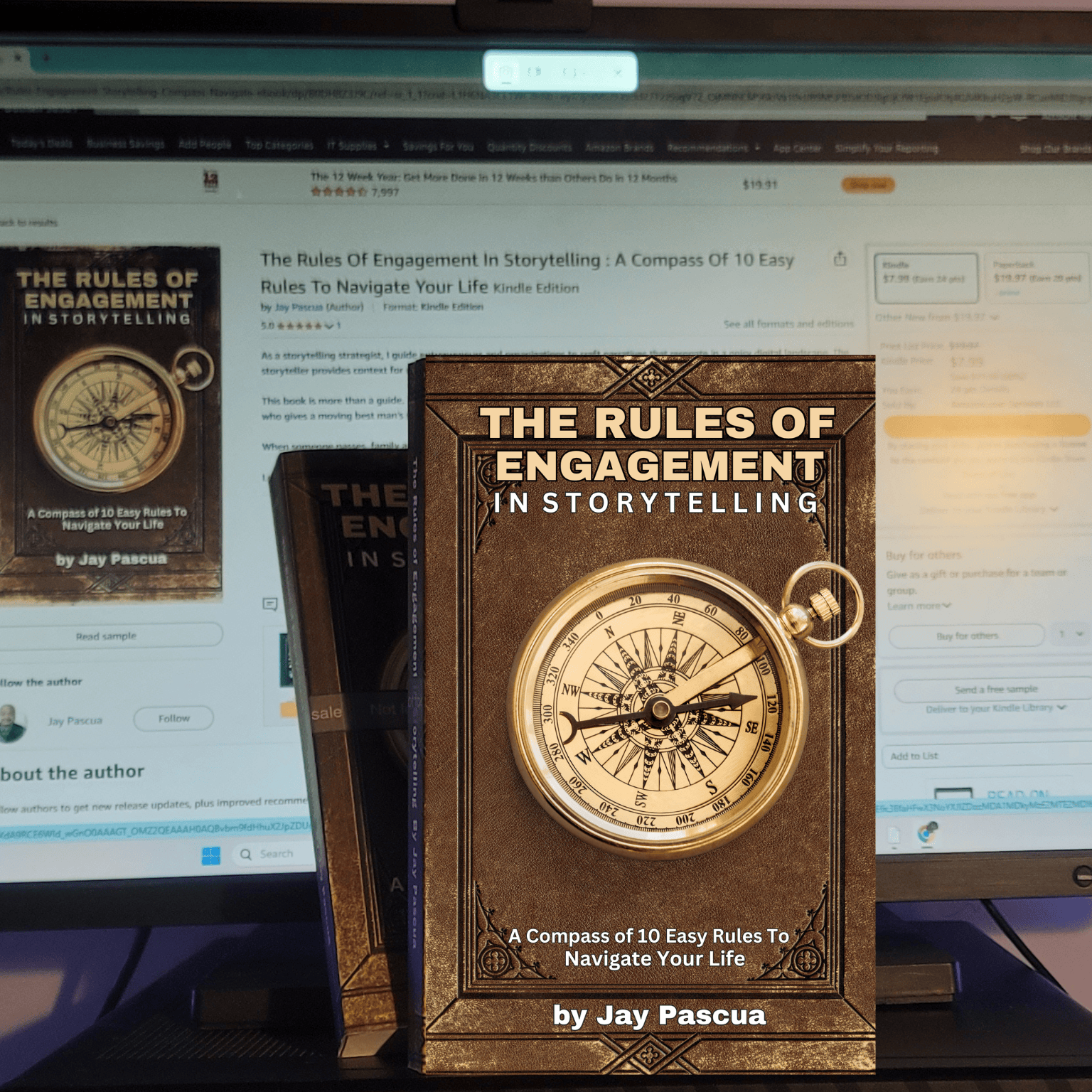
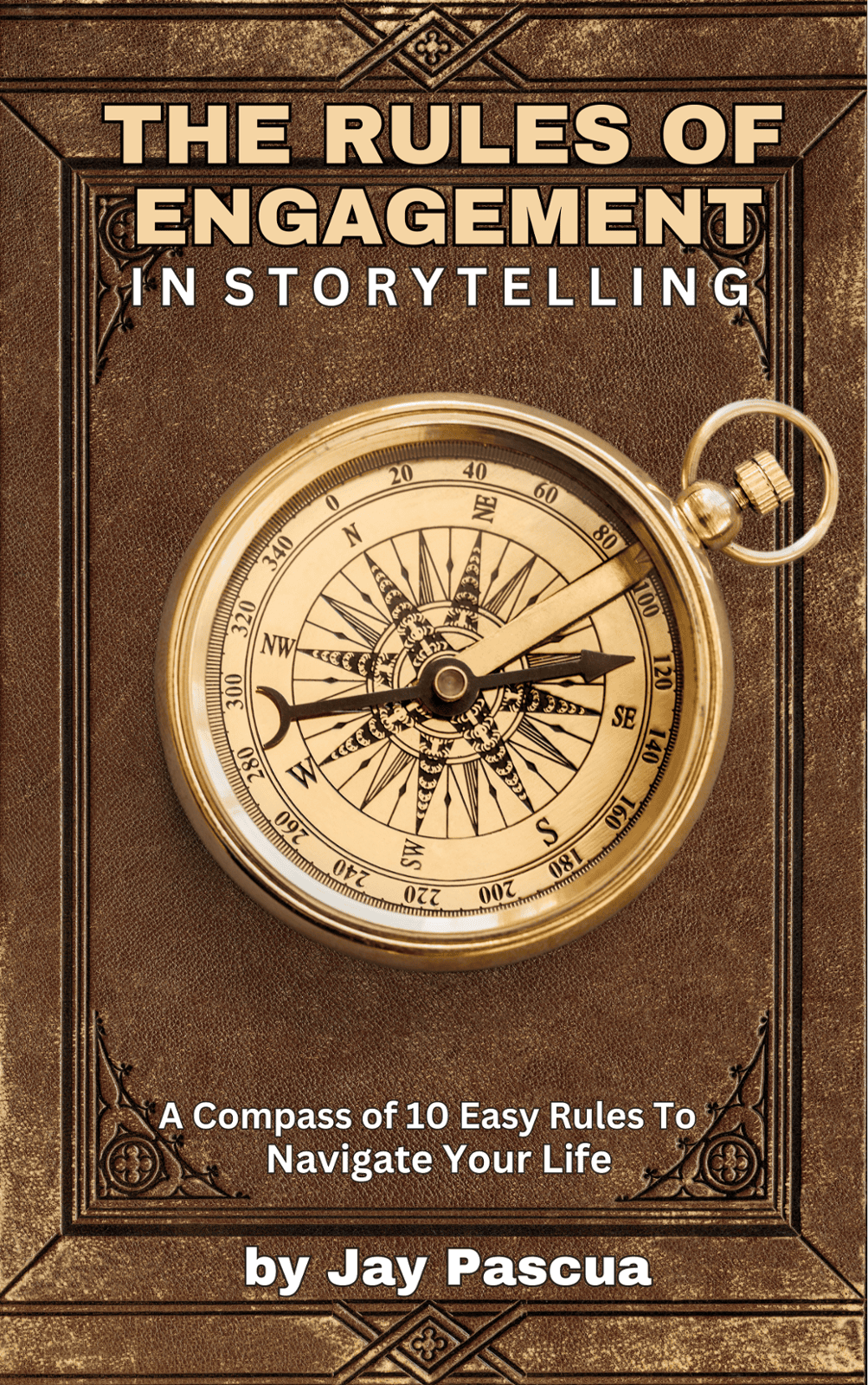
From the LinkedIn newsletter: The Narrative Navigator by Jay Pascua
Storytelling is often seen as a way to connect with others, but we sometimes overlook the most critical story—the one we tell ourselves.
I often say, “One of the more important stories you tell is the story you tell yourself.” This is because our internal narrative shapes our mindset, influencing our thoughts, beliefs, and actions.
In my work as a storytelling strategist, I’ve seen time and again that the right story can transform people and guide them toward growth and resilience. Here, I'll explore four ways this mindset shift is crucial and how it positively impacts people.
Building Resilience and Overcoming Adversity
The story we tell ourselves becomes a framework for how we interpret challenges. When people encounter obstacles, those who frame their experience as a learning opportunity rather than a failure build resilience. For example, someone who tells themselves, “I’m capable of finding a way forward,” is more likely to persevere than someone who believes, “This is too difficult; I’ll never succeed.” In my experience, people who actively choose positive self-narratives during tough times build a resilient mindset that not only helps them push through current challenges but also prepares them for future ones. This perspective can turn what might seem like setbacks into moments of growth and clarity.
Enhancing Self-Confidence and Self-Worth
Confidence is often rooted in the story we tell about who we are. People who focus on their strengths, achievements, and unique attributes typically experience a greater sense of self-worth. Consider someone pursuing a promotion. If they think, “I’ve worked hard and bring valuable skills to the table,” they’re much more likely to approach the opportunity confidently. On the other hand, if they tell themselves, “I’m not good enough,” their lack of confidence may hold them back. Positive self-storytelling can act as a powerful tool to reinforce a sense of competence and worth, creating an environment where individuals feel empowered to pursue their aspirations.
Encouraging Goal-Oriented Mindset and Vision
When we believe in a story of progress, it shapes our approach to setting and achieving goals. A goal-oriented mindset starts with a vision: “This is where I am, and this is where I want to go.” For instance, someone might set out to launch a business, initially unsure of how to succeed. By focusing on a story of gradual improvement—“Each step I take gets me closer to my dream”—they reinforce their commitment to their goals. This internal narrative is essential for long-term motivation. It’s easy to lose sight of the end result when challenges arise, but a goal-oriented story keeps people focused, resilient, and inspired by a sense of purpose and direction.
Creating a Positive Influence on Others
Our self-stories also have a ripple effect, influencing how we interact with others. People who nurture a positive, empowering story about themselves often inspire those around them to do the same. For instance, as leaders, the stories we internalize about our capacity to lead, empathize, and grow will naturally affect our teams or communities. A leader who believes in their own value and growth potential will radiate confidence and encourage others to rise to their potential as well. This storytelling not only enhances personal relationships but also fosters a culture where optimism, growth, and encouragement are shared values.
The story you tell yourself becomes the lens through which you view your life and the world around you. Shaping that story consciously is one of the most powerful tools at our disposal. By fostering resilience, building self-worth, encouraging goals, and positively influencing others, we can create a mindset that opens up new possibilities. So, as you think about the stories you tell yourself, remember that they’re not just words—they’re the foundation of who you are and who you’re becoming. Rule your story!
##